

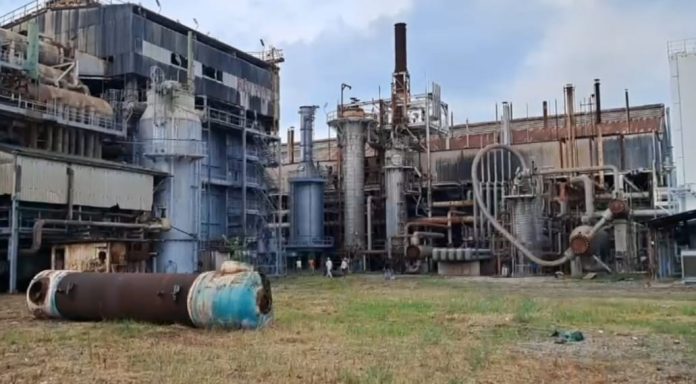
Ashuganj Urea Fertilizer Factory Ltd., one of Bangladesh’s key agricultural input producers, has remained almost inoperative for months due to an ongoing gas crisis, resulting in a monthly production loss worth Tk 135 crore.
The state-run facility, located in Brahmanbaria and once highly profitable, is now facing the threat of long-term damage to its machinery, with over Tk 4.5 crore in daily losses. The plant, established in 1983 over 536 acres, previously played a vital role in supplying the country’s urea fertilizer, producing over 400,000 metric tonnes annually.
However, declining gas supplies since 2011 have severely affected output. In FY 2023–24, the plant operated for only 41 days, producing just 48,453 tonnes against a target of 100,000 tonnes.
In recent years, the government has been forced to import over 400,000 metric tonnes of urea annually to meet domestic demand, putting pressure on foreign currency reserves. Employees at the plant are now facing uncertainty regarding their jobs and salaries, while unused machinery continues to deteriorate.
Officials from the factory expressed frustration over the lack of initiative to restore gas supply, warning that without immediate intervention, the plant may become permanently inoperative. DGM Tajul Islam Bhuiyan stated that production could resume quickly if gas supply is restored.
Brahmanbaria’s Deputy Commissioner Mohammad Didarul Alam confirmed ongoing communication with the ministry to resolve the issue. Experts warn that continued closure of the factory could lead to fertilizer shortages, increased costs in agriculture, and a threat to national food security.


