

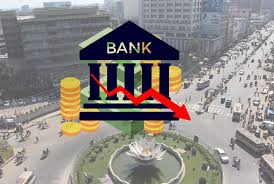
Bangladesh’s banking sector is facing one of its most challenging periods as record-high non-performing loans (NPLs), weak governance in Shariah-based banks, and rising loan defaults among ordinary borrowers deepen financial stress, according to banking officials and economists.
The latest Bangladesh Bank data show that total defaulted loans climbed to Tk588,704 crore as of March 31, 2026, increasing by Tk31,487 crore in just three months. The ratio of NPLs to total outstanding loans rose sharply to 32.7%, up from 24.6% a year earlier.
The central bank said the surge is no longer confined to large corporate borrowers. Loan defaults among retail customers, small businesses, farmers, and SME entrepreneurs have also risen significantly, reflecting mounting economic pressure on households.
To tackle the crisis, Bangladesh Bank has adopted a 21-point short-, medium-, and long-term action plan aimed at accelerating loan recovery and strengthening financial discipline.
Governor Mostakur Rahman has held a series of meetings on loan recovery, while policymakers have ruled out introducing any new loan rescheduling policy beyond the recently announced Exit Policy. Borrowers must repay at least the principal amount to qualify for the scheme, which remains available under relaxed conditions until December 2026.
From next year, authorities plan to tighten enforcement by introducing a Distressed Asset Management Act and amending the Money Loan Court Act to ensure loan recovery cases are resolved within six months.
Bangladesh Bank has also warned that habitual defaulters who fail to repay despite policy concessions could face strict administrative and social measures, including the public disclosure of their names and photographs.
The regulator plans to assess banks’ provisioning shortfalls based on actual bad loans and require them to restore capital within a specified timeframe. Directors of banks that fail to meet capital requirements could lose ownership rights and face a five-year ban from serving on bank boards.
The crisis has been particularly severe for state-owned and Shariah-based banks, where weak governance, political influence, inadequate risk assessment, and irregular lending practices have contributed to soaring bad loans.
Sector-wise, the cottage industry recorded the highest default rate at 52.8%, while agriculture, wholesale and retail trade, manufacturing, and services also experienced rising loan defaults.
Bangladesh Bank has also delayed issuing licences for new digital banks despite receiving applications from 12 companies, citing concerns over the fragile financial condition of existing banks, capital shortages, liquidity pressures, and elevated default loans.
Economists argue that restoring the banking sector will require more than regulatory changes. They stress the need for stronger corporate governance, politically independent lending decisions, improved risk management, faster loan recovery, and measures to boost income and employment so that small borrowers can resume repayments.
ABB Chairman and City Bank Managing Director Masrur Arefin said maintaining public confidence remains the banking sector’s top priority, while economist Md. Majedul Haque urged the government to implement long-pending banking reform recommendations rather than introducing new policies without effective execution.
Bangladesh Bank spokesperson Md. Arif Hossain Khan said the panic surrounding the banking sector has eased compared with last year. He noted that the central bank continues to provide liquidity support to distressed banks, implement governance reforms, restructure Shariah boards, and pursue measures to reduce default loans and strengthen public confidence in the financial system.


, weak governance)