

Jisan Al Jubair:
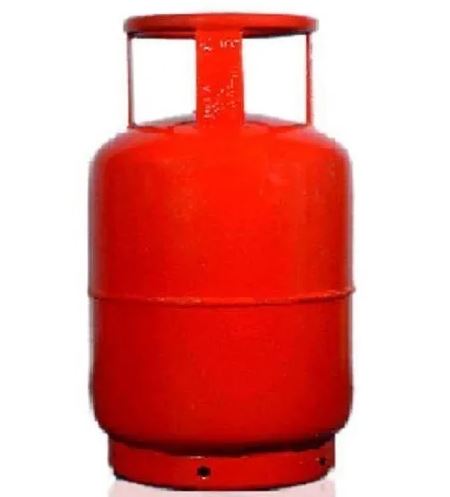
Despite recent dips, Bangladeshis are still grappling with exorbitant Liquefied Petroleum Gas (LPG) prices, making this clean and efficient cooking fuel increasingly out of reach for many households. While a 12kg cylinder cost Tk1,150-Tk1,050 in January-April, it still hovers around Tk1350-Tk1380 across various brands, translating to a hefty Tk73.10 per kg on average.
Why is affordability a burning issue? International market fluctuations due to increased demand and supply chain disruptions are impacting Bangladesh, which heavily relies on imports.
Limited storage capacity forces importers to rely on expensive short-term contracts. Although government subsidies offer some relief, additional taxes inflate the final price for consumers.
Feeling the heat across borders: India: A 12 kg cylinder retails for as low as Tk642 in neighboring India, making LPG significantly cheaper across the border. Pakistan: Pakistanis pay around Tk846 per cylinder, highlighting the stark price disparity compared to Bangladesh. Nepal and Bhutan: Both countries boast LPG prices hovering around Tk 700-800, offering their citizens more affordable access.
A major concern is the significant gap between import costs and retail prices. Data from the Bangladesh Energy Regulatory Commission (BERC) reveals that the landed cost of LPG per kg stood at Tk80.68 in October 2023, but retailers were charging an average of Tk113.58 during the same period. This raises questions about the extent of profiteering in the domestic market.
“The high price of LPG is making it increasingly difficult for us to manage our household budget,” says Amena Begum, a mother of two from Dhaka. “We have to cook less or resort to cheaper, less efficient fuels, which impacts our health and the environment.”
“The government needs to take urgent steps to bring down LPG prices and ensure transparency in the distribution chain,” market analyst Saifuzzaman. “We need a mix of measures, including diversifying import sources, improving storage capacity, and addressing issues of profiteering.”
Cooking with gas shouldn’t feel like a luxury in Bangladesh. Addressing these concerns and finding long-term solutions is crucial to ensure affordable and accessible clean cooking fuel for all citizens.

