

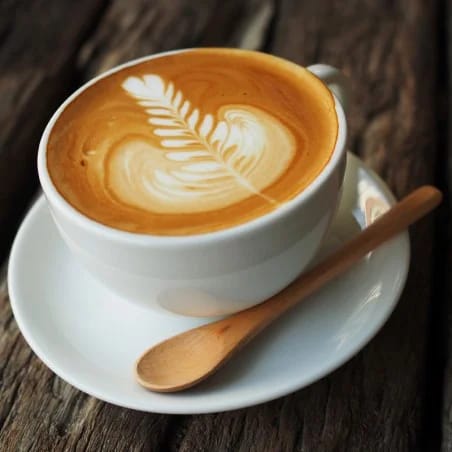
Auditi Rahut: Morning starts with a cup of coffee, its aroma like heaven. The kettle sings, and my day begins. Coffee is the secret of my energy. Some like espresso, some like hazelnut, some like it simply with milk and sugar. Everyone has their own choice, and we are not alone in this daily habit. According to the International Coffee Organization, more than one billion people worldwide drink coffee every day, which is about 12% of the world’s population.
 Every cup of coffee tells a long story of patience and craft. From plant to cup, it’s a long journey. It starts with the growth of the coffee plant, which takes 3 to 4 years, from flowers to little red coffee cherries. Then ripe cherries are gathered, either by hand or machine. The next step is processing, where the cherries are carefully fermented, washed, and sun-dried to develop their unique character. That’s not all. Once the drying is complete, the coffee beans are cleaned and graded so that each bean is of equal quality. Then comes the most important step, roasting. This is where all the magic happens: raw green beans are transformed into the rich, aromatic coffee we know and love. Finally, these roasted seeds are ground into powder and boiled in water to make coffee.
Coffee is not just a simple drink to me; it’s an emotion, shaped by its taste and the way it changes my mood. For students like me, a cup of coffee means staying awake for late-night assignments. My sister prefers strong black coffee without sugar. Being a doctor, she needs that energy from morning to evening to stay active. On the other hand, my mother enjoys instant coffee with condensed milk, turning every sip into something almost dessert-like. When it’s hot outside, I love my special cold coffee: I first foam the coffee, mix it with cold milk and sip it through a straw. But most of the time, I prefer hot coffee with a strong flavor. Comfort, after all, is as personal as it is cultural. Every cup reflects personality, routine and choice.
The energy we get from coffee mainly comes from caffeine, which sharpens our focus and helps ward off sleepiness. It helps me complete lectures and assignments. But balance matters. Health experts warn that too much coffee may increase the risk of heart disease. As a result, many people now prefer smoother options, such as decaf or cold brew. Coffee can be the perfect companion when consumed wisely; it refreshes, but should never control us.
The best coffee doesn’t always need to come from an expensive café. Small steps at home can make a big difference. Fresh coffee powder tastes better than one that’s been open for days. Using hot, but not boiling, water can make your brew amazing. Even instant coffee tastes smooth if mixed with enough water or milk. For iced coffee, brew it a little stronger so the flavor doesn’t get lost as the ice melts. These small adjustments can turn an ordinary mug into something truly worth savoring.
Coffee is more than a beverage; it feels like a pause button in life. Amid the noise of Dhaka’s streets, studies, and daily pressures, one cup, whether hot or cold, can bring a quiet moment of calm. It also builds bonds, as friends’ adda, family gatherings, and colleagues’ get-togethers all feel a little more special with coffee. What makes it truly unique is the freedom it gives us: sweet or bitter, strong or mild, hot or iced, the perfect cup is the one that matches your taste.
In the end, coffee is my secret source of energy, not just because of caffeine, but because of the comfort and choice it represents. Every sip reminds me that even in a fast-moving and noisy city, I can pause, choose, and savor. And tomorrow morning, I know I will start my day the same way, with my cup, my choice.
– The author studies English literature at University of Asia Pacific, Dhaka.


