

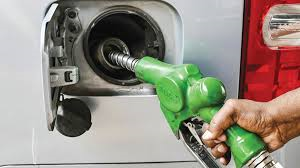
B Mirror Report: The government is planning a series of energy-saving or austerity measures to address mounting pressure on the country’s fuel sector caused by increasing global uncertainty.
Measures under consideration include extending weekly holidays, offering “work from home” options for officials, adjusting office hours, and partially shifting classes to online platforms in educational institutions.
Sources from the Cabinet Division and the Prime Minister’s Office said all government agencies have been asked to prepare proposals for energy conservation, which will be presented at the upcoming cabinet meeting. Initially, a short-term three-month plan is being drafted in light of ongoing tensions between Iran and Israel, with longer-term strategies to follow if the situation worsens.
The government is taking these steps due to high international fuel prices, increased import costs, and dollar shortages. Officials said at least eight measures are being discussed, including adding an extra day to the weekly holiday, allowing officials to work from home two days a week, starting office work earlier, or reducing total office hours. To save electricity, educational institutions may conduct half of their weekly classes online.
No final decisions have been made yet, and the cabinet will determine which measures will be implemented.
In addition to saving energy, the government is focusing on reducing pressure on foreign currency reserves. Proposals include avoiding unnecessary government borrowing and imposing strict restrictions on officials’ foreign travel. However, there is no decision yet on raising fuel prices. A senior official indicated that depending on global developments, plans may extend beyond short-term measures. Several ministries have already started drafting their own energy-saving plans.
The government has also taken steps to prevent fuel hoarding and may implement demand-side management (DSM) strategies to influence and reduce electricity consumption, especially during peak demand periods.
The Ministry of Public Administration has directed offices to strictly follow energy-saving guidelines issued earlier this month. These include using natural daylight, maintaining air-conditioning at 25°C or higher, switching off unused electrical equipment, avoiding unnecessary lighting, and ensuring efficient electricity use. A vigilance team will monitor compliance in each office.
Ongoing conflicts in the Middle East are creating pressure on global energy markets, which is being felt in Bangladesh as disruptions in fuel and LNG supply begin to affect power generation. The Strait of Hormuz, a key route for oil and LNG transport, is a particular concern, as any disruption directly impacts import-dependent countries like Bangladesh.
Recently, supply shortages have forced Bangladesh to reduce imports under long-term contracts and purchase fuel from the spot market at higher prices. Expensive alternatives like furnace oil are being relied upon, and limited domestic refining capacity is driving up costs.
Md. Zahurul Islam, Member (Generation) of the Bangladesh Power Development Board, said Petrobangla has warned that gas supply may decline in the coming months, potentially affecting power generation. He added that if recently procured LNG arrives on time, there should be no impact in April.

