

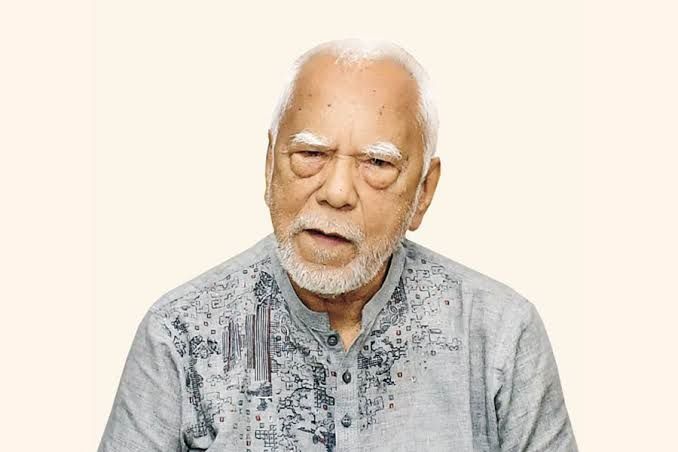
Bangladesh’s comparatively high corporate tax rate is creating a significant obstacle to attracting foreign direct investment (FDI), and the country must align its tax structure with regional competitors to remain competitive, ICB Chairman and economist Professor Abu Ahmed has said.
Speaking as the chief guest at a shadow parliament debate titled “This Year’s Budget Is Capable of Reviving the Troubled Economy,” organized by Debate for Democracy at the Bangladesh Film Development Corporation (BFDC) auditorium in Karwan Bazar on Saturday, Abu Ahmed stressed the need for a more competitive tax policy and an investment-friendly business environment.
He said Bangladesh’s corporate tax rate remains higher than those of India, Vietnam, Laos, Cambodia and Singapore, making it difficult to attract foreign investors. Unless the tax rate is brought in line with regional competitors, the country is unlikely to see a substantial increase in foreign investment, he added.
“The economy needs both domestic and foreign investment to sustain its recovery,” Abu Ahmed said, noting that while the country previously saw little hope for economic improvement, there are now encouraging signs. Maintaining this momentum, he said, will require reforms that make Bangladesh more attractive to investors.
The economist also said that an elected government may adopt a larger development budget, but emphasized that effective implementation and improved administrative efficiency are essential for achieving economic recovery. He urged patience while the government works to restore economic stability.
Referring to Prime Minister Tarique Rahman’s recent visits to China and Malaysia, Abu Ahmed described the tours as potential “game changers” for Bangladesh’s economic recovery, saying they could help secure development assistance, attract fresh investment and create employment opportunities.
The ICB chairman also criticized the country’s previous business environment, alleging that under the former authoritarian administration, large commercial enterprises could not operate successfully without maintaining close ties with the government. He claimed that political interests, irregularities and corruption often overshadowed fair competition in business.
He further alleged that several major infrastructure projects including the Padma Rail Bridge, Karnaphuli Tunnel, Payra Port and the Rooppur Nuclear Power Plant were undertaken for political purposes, with greater emphasis placed on creating opportunities for corruption than serving national interests.
Chairing the event, Debate for Democracy Chairman Hasan Ahmed Chowdhury Kiran claimed that many mega projects implemented during the Awami League government’s tenure were significantly overvalued, with 25 to 30 percent of project costs allegedly inflated. He called for the rationalization of such projects to prevent wasteful public spending.
The debate competition concluded with Dhaka College defeating BGMEA University of Fashion and Technology to emerge as the champion.


,)