

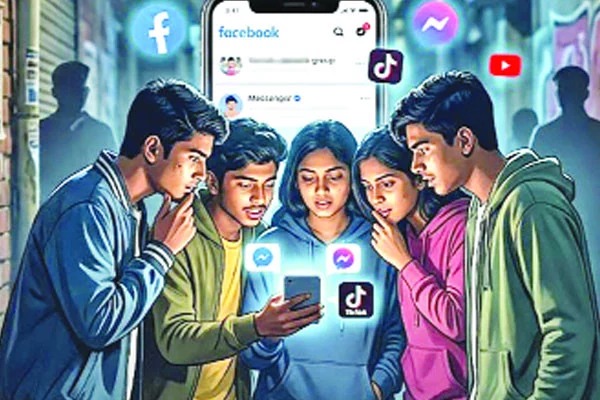
Teenagers once spent most of their free time socializing in neighborhoods and school playgrounds. Today, much of that interaction has shifted to smartphone screens. Facebook groups, Messenger chats, TikTok live streams, and online gaming platforms have become the primary means of communication for the younger generation.
However, behind the convenience of technology lies a growing concern: the rapid spread of teen gang culture. From planning criminal activities to fostering unhealthy smartphone addiction, experts warn that the current generation is facing a serious challenge.
According to law enforcement agencies, sociologists, and technology analysts, smartphones and social media now play a central role in how teen gangs organize, recruit members, intimidate rivals, and even coordinate criminal activities.
Gang Culture on Screens: A Growing Concern
According to the Rapid Action Battalion (RAB), a total of 1,126 teen gang members have been arrested across Bangladesh over the past six years. A significant portion of these arrests occurred during operations conducted between 2021 and 2024. Analysis of the confiscated mobile phones revealed that gang members used Facebook, Messenger, TikTok, and various online gaming platforms to communicate and coordinate activities.
In some cases, social media platforms were used to recruit new members, display weapons, threaten rival groups, and showcase influence. Experts say that the race for online popularity and social media fame is also driving many teenagers toward risky and criminal behavior.
Negative Impact on Behavior
Dr. Md. Towhidul Haque, Assistant Professor at the Institute of Social Welfare and Research at the University of Dhaka, expressed concern over the unrestricted use of smartphones and digital devices among children and adolescents.
He noted that even primary school students now have access to Android phones and high-speed internet. Excessive internet use, he said, is contributing to significant behavioral changes among teenagers.
Many parents report that their children struggle with normal communication skills as they grow older. Some become increasingly aggressive and challenge family and social values. Exposure to foreign lifestyles and online influences may also increase tendencies toward lawbreaking and hinder intellectual development.
Global Crackdown on Social Media Use
To protect children’s mental health and ensure online safety, several countries have introduced strict measures regulating social media and smartphone use among minors.
Social Media Restrictions
Australia became the first country in the world to pass legislation banning social media access for children under 16. Platforms that fail to comply can face fines of up to 50 million Australian dollars.
France has approved similar legislation for children under 15. Countries including Spain, the United Kingdom, Norway, and China have also introduced age-based restrictions or special “minor modes” to limit children’s access to certain online services.
Smartphone Bans in Schools
According to UNESCO’s Global Education Monitoring Report, nearly 40 percent of education systems worldwide covering 79 countries have banned smartphones in schools.
Research suggests that a single phone notification during class can disrupt a student’s concentration, and it may take up to 20 minutes for them to fully refocus on learning.
A Balanced Approach
Despite growing concerns, experts caution that blanket bans may not always be effective or practical. In modern education systems, children need access to technology for online learning, emergency communication, and digital skill development.
For this reason, even countries with strict regulations, such as Australia, have exempted platforms like YouTube, WhatsApp, Messenger Kids, and Google Classroom from certain restrictions.
Dr. Noor Mohammad, Professor of Psychology at Jagannath University, emphasized that many children use smartphones for productive activities such as freelancing, reading books, and educational purposes. He argues that policymakers should understand the psychology of Generation Z and future generations rather than simply imposing broad restrictions. Excessive bans, he warns, could lead to social isolation among young people.

